
Common Home Staging Mistakes in Scottsdale (and How to Avoid Them)

Updated: Jul 7
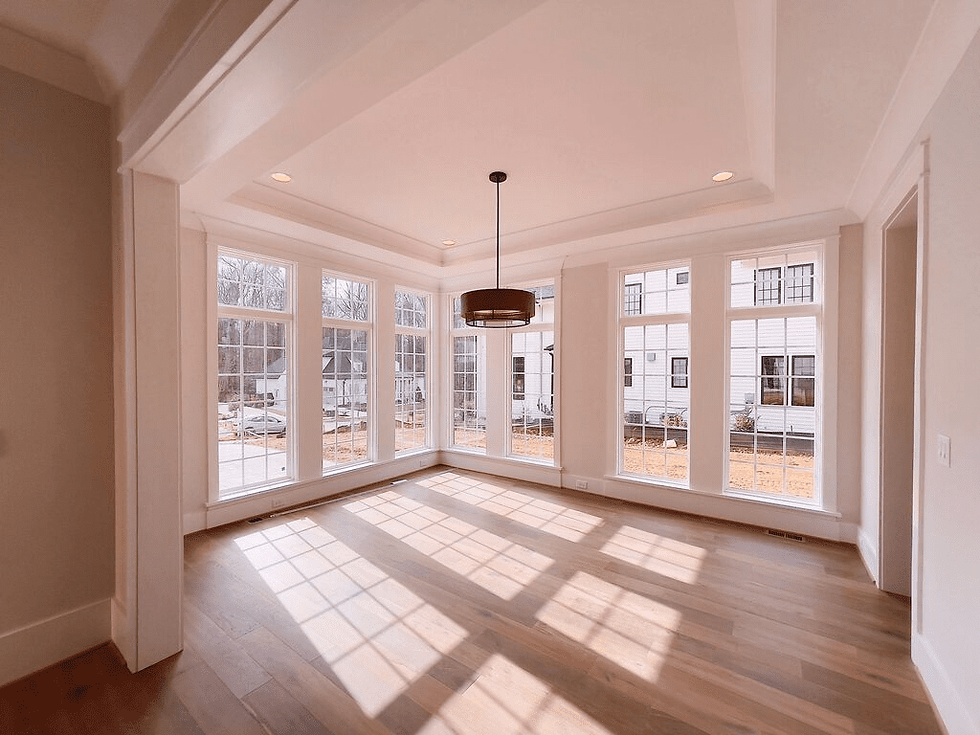
Most homes don’t struggle and sit too long because they’re staged poorly. They struggle and sit too long because something feels slightly off. More often than not, that something comes down to how the home is positioned and presented. In a market like Scottsdale, Paradise Valley and Arcadia, where buyers have high expectations and a lot of options, small miscues in staging can create just enough friction to slow things down.
These aren’t always obvious staging issues. In many cases, the home looks fine. But fine doesn’t always translate to clear, compelling or easy to connect with. In all honesty, fine doesn't sell at the higher end. To avoid "fine" you can proactively steer clear of some of the most common staging mistakes we see and where they tend to show up.
Treating Staging Like a Checklist Instead of a Strategy (and other common staging mistakes)
One of the most common mistakes is approaching staging as something that is templated and just needs to get done. Living room, dining room, primary, etc. The furniture goes into each room, the basics are covered and now the home is technically staged.
But often there’s no real point of view behind it. Even more often it's filled with furniture that someone living in a home like that (and affording to buy it) would never even own, let alone feature it in the main living space. So instead of signaling premium quality and luxury to high-end buyers who definitely know the difference, the staging becomes a distraction. And buyers experience the home as a whole, not room by room and sectional by sectional.
They notice:
how the living space flows
what architectural features stand out
what accents and details feel intentional
how the overall home presents
When staging is treated like a checklist, everything can be there, but nothing is really working together. That's why approaching it strategically is so important.
The fix for stagers is simple in concept, but harder in execution:
Consider how the home is meant to be experienced by the intended buyer and form a point of view to share with the seller and the agent before the install
Align with the agent and seller on a general vision and design direction, identifying key areas of the home to highlight and create wow moments
When everyone gets on the same page going into the project, there are far fewer surprises and last minute fire drills when expectations are misaligned
Mismatch Between Staging and Architecture
This is especially common in Scottsdale. You’ll see a beautiful desert modern home staged with furniture that feels transitional or generic. Or a Mediterranean-style property that’s staged in a way that doesn’t reflect the warmth or scale of the architecture. Individually, the pieces may look fine, though in many cases they are dated and set the home back instead of allowing it to shine. But together, these things don’t quite make sense and that disconnect creates friction. Buyers may not be able to articulate it, but they feel it.
From the moment someone pulls up to the home to the moment they walk through the main living space and out to the patio, everything should feel cohesive. When the staging aligns with the architecture, walking the property feels natural. When it doesn’t, something feels off before buyers even realize why.
Getting Scale and Proportion Wrong
This one shows up more often than people expect, especially with home stagers who rely on rented furniture and don't have newer, more modern inventory in rotation.
Furniture that’s too small makes a room feel less valuable than it actually is. Furniture that’s too large can make a space feel tight or awkward. And layouts that don’t respect how the room is meant to flow and function can make even a great floor plan feel confusing.
Scale is one of those things that buyers don’t consciously analyze, but they react to it immediately. A well-proportioned room feels balanced and comfortable. A poorly scaled room feels slightly uncomfortable, even if everything in it is “nice.”
Over-Staging or Over-Designing the Space
There’s a tendency, especially at higher price points, to try to impress. More styling, more decor... more stuff. At a certain point, it starts to work against the home. Instead of helping buyers understand the space, it creates noise. Instead of making the home feel cleanly lived in, it clutters and distracts. Rooms feel busy. Focal points get lost. The home starts to feel like a design project instead of a place someone could actually live.
Good staging is usually more restrained than people expect. It leaves space for the home to speak and be interpreted by its intended buyers. And that's critical to get right: the home has to be specific enough to appeal to the right buyer and make sense with the neighborhood, architecture and price point, all while being positioned broadly enough to capture the interest of as many potential buyers as possible.
Under-Staging Key Areas
On the flip side, some homes are staged too lightly. A living room might have a sofa and chair staged, but no rug or accessories or real sense of layout. A dining space might be left undefined or too sparsely decorated. Often there are no plants (real or faux) anywhere in the home. A large primary bedroom might feel empty or underwhelming with no art on the walls or accent mirrors around. This is especially noticeable in larger homes and estates, which feel extra empty in the absence of properly scaled furniture.
Buyers walk in and think: What goes here?
And that moment of uncertainty matters. When potential buyers don't readily see themselves (and their things) seamlessly living in the space, momentum gets lost and deals stall or fall apart. When key spaces aren’t clearly defined, the home simply feels incomplete.
Ignoring Outdoor Spaces
And speaking of incomplete, this is one of the biggest missed opportunities in Scottsdale. Outdoor living is not secondary here, it’s part of the main appeal and selling story. And yet, it’s common to see:
empty front patios
underfurnished pool areas
no connection between indoor and outdoor spaces
It's shocking, honestly. When the first thing a buyer experiences is an unstaged front patio that looks empty and cold, it sets the tone for everything that follows. Inside, the home might feels considered, you set yourself back with that first impression. And as the buyer makes it to the backyard and the outside feels unfinished, it's another subtle disappointment. Even if the space is great, not positioning it as part of the house and integral part of the indoor-outdoor Scottsdale lifestyle is a missed opportunity.
That gap impacts how the entire property is experienced. When outdoor spaces are staged with the same level of intention as the interior, the home tends to feel more complete and more valuable.
→ Read more: How to Stage Outdoor Spaces in Scottsdale Homes
Not Thinking About How the Home Photographs
Before anyone walks through the front door, they’ve usually already seen the home online. Photos are often the first showing. If the staging doesn’t translate well on camera, the listing loses impact immediately. Common issues:
flat-looking rooms
no clear focal point
poor depth or contrast
doesn't elevate the presentation
A space can feel great in person but fall flat in photos if it’s not set up thoughtfully and intentionally. And if the photos don’t land, many buyers never take the next step of seeing the home in person and walking the property. So taking for granted that staging and photography will just happen to come together is underestimating the importance of both. Ideally, the stager and photographer collaborate on the vision for the house and align on the key feature areas and wow moments before the furniture is brought in and rooms are styled.
Trying to Solve the Wrong Problem
Sometimes staging is asked to fix things that aren’t really staging problems. Layout issues, deferred maintenance, lighting challenges... these can all impact how a home is perceived. Sure, sometimes staging can help. But it works best when it’s aligned with what the home actually needs. That’s why a walkthrough and a clear understanding of the property are so important before decisions are made.
The Bigger Picture
Most of these mistakes aren’t dramatic. They’re subtle. But in a competitive market, subtle differences are often what separate a home that feels just okay from one that stands out. In the end, staging doesn’t need to be complicated. But it does need to be intentional.
And when you are not sure what to do before listing your luxury home for sale, we're here to help answer your questions...
→ Read more: Should I Reduce the Price or Stage the Home First?
→ Read more: Should I Replace My Lighting Before Selling?
→ Read more: Should I Update My Primary Bathroom Before Selling?
→ Read more: Should I Replace My Flooring Before Selling?
→ Read more: Should I Paint My Home Before Selling?
→ Read more: Should I Remodel My Kitchen Before Selling?
Final Thought
The goal of staging isn’t to impress people with interior design and decoration. It’s to make the home easy to understand, easy to connect with and easy to say yes to. When that’s done well, everything tends to fall into place and buyers tend to fall in love with their dream homes. And if you’re preparing a listing and something feels slightly off, it’s usually worth taking a step back and looking at how the home is being presented as a whole. Happy to take a look together!
FAQ: Home Staging Mistakes
What is the biggest mistake in home staging?
Treating staging like a templated checklist instead of thinking about how the home will actually be experienced by the intended buyer. Not being intentional about staging strategy and too insistent on imposing your own design vision are big mistakes too.
Can too much staging hurt a home sale?
Absolutely. So can the wrong staging when its mismatched with the home, misaligned with what intended buyers prefer or simply dated and out of style. Over-staging can also make a home feel busy, cluttered or overly designed, which can distract from the space itself.
Do empty homes perform worse than staged homes?
They often do, especially when buyers have difficulty understanding scale and layout. We're often called in to stage a property after the home has been on the market for more than four weeks empty and not showing or generating interest as anticipated.
Should outdoor spaces always be staged in Scottsdale?
In many cases, yes. Outdoor areas are a major part of how buyers evaluate homes in this market and seem to be underestimated by stagers, agents and sellers. Front patios often serve as first impressions that set the tone for the entire showing and why not have buyers walk into a backyard that's staged intentionally and communicates an irresistible indoor-outdoor Scottsdale lifestyle.
Why do some staged homes still feel off?
Usually because something isn’t aligned: scale, layout, architecture or just overall cohesion. Sometimes it's because the furniture is old, mismatched or just dated and out of style.
What are common home staging mistakes?
Common staging mistakes aren't limited to the ones listed in this post, but have been the ones we see most often at open houses, on home tours and in speaking with Scottsdale and Phoenix real estate agents.
For a broader overview of luxury home staging in Scottsdale, Paradise Valley, Arcadia and Phoenix, explore our complete staging guide.
And if you’re evaluating staging partners in the greater Phoenix metro, you can explore our services and approach here.
About the Author:
Mark Kats is the founder and creative director of Staging Scottsdale, a boutique luxury home staging firm serving Scottsdale, Paradise Valley and Arcadia. He works closely with agents, builders and sellers to help position homes for stronger first impressions and more compelling showings. Email mark@stagingscottsdale.com to schedule a consultation.


Comments